Structural Removal That Protects Surrounding Properties
Site Demolition in Sand Springs for buildings requiring safe tear-down and debris removal
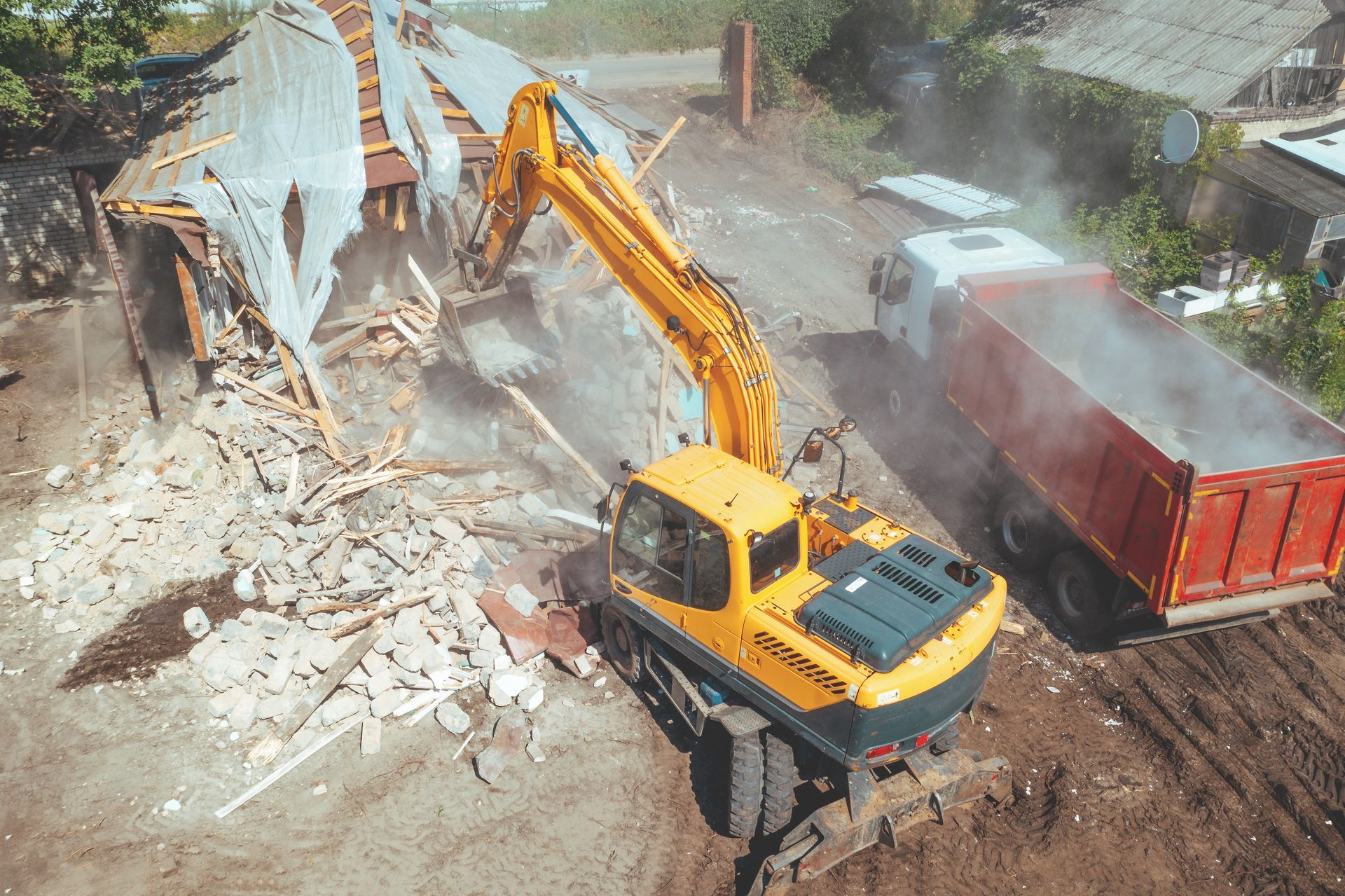
Demolishing structures in residential areas requires coordination with utility companies, notification of neighboring property owners, and safety protocols that prevent damage beyond the demo site. TCW Roofing handles site demolition across Sand Springs and the Tulsa metro, calling for utility locates before every job and communicating with neighbors about timelines and dust control measures. Oklahoma properties often sit close to neighboring structures, so controlled demolition prevents debris or equipment from affecting adjacent homes or businesses.
The work begins with utility locate calls to mark underground gas, electric, water, and communication lines that could be struck during demolition or debris removal. Structures get dismantled section by section rather than pushed over in one collapse, controlling where material falls and preventing airborne debris from traveling onto neighboring lots. Neighbor coordination includes advance notice about noise, dust, and equipment access so surrounding property owners know what to expect and when activity will occur.
Request a demolition consultation to review site access, utility coordination, and neighbor notification requirements for your project.
What Responsible Demolition Requires in Residential Areas
Demolition in residential neighborhoods means managing dust, noise, and debris so surrounding properties aren't affected by the work. Licensed and insured contractors follow protocols that include wetting down demo sites to control dust, staging debris removal so material doesn't pile up into sight lines or block access, and scheduling work during hours that minimize disruption to neighbors. Utility locates happen before any digging or structural removal starts, marking underground lines so equipment operators know where it's safe to work.
After demolition completes, your lot shows clean ground clear of structural debris, foundation remnants removed or broken below grade for backfilling, and utilities capped at the property line to prevent active lines from becoming hazards. Surrounding properties remain undamaged because controlled tear-down prevented debris from traveling beyond the demo site, and advance neighbor communication maintained good relationships despite temporary construction activity.
Safety protocols include barricading active demo zones to keep unauthorized people away from falling debris, inspecting structures before tear-down to identify asbestos or other hazardous materials that require specialized removal, and ensuring equipment operators have clear sightlines to avoid underground utilities or property boundary markers. Proper demolition also includes hauling debris off-site promptly rather than leaving piles that attract pests or create eyesores for weeks.
Answers to Frequent Demolition Questions
Property owners planning demolition need to understand how utility coordination and neighbor communication affect project timelines. These answers cover safety protocols and what responsible demo work involves.
What utility coordination happens before demolition begins?
Contractors call 811 for utility locates, which brings out crews to mark underground gas, electric, water, sewer, and communication lines. Locates typically take a few days to complete, and demolition can't start until all utilities are marked to prevent accidental strikes during tear-down.
How do demolition crews prevent damage to neighboring properties during tear-down?
Structures get dismantled in sections rather than collapsed all at once, controlling where debris falls and preventing material from traveling beyond the property line. Equipment stays within the demo site boundaries, and debris gets loaded directly into trucks rather than pushed into piles that could shift onto adjacent lots.
Why is neighbor notification important for residential demolition projects?
Advance notice about noise, dust, and equipment traffic allows neighbors to plan around demo activity, close windows during dusty phases, or move vehicles if access requires using shared driveways. Communication maintains good relationships and prevents surprise complaints that could delay the project.
What happens to utilities after a structure is demolished in Sand Springs?
Active utility lines get capped at the property line or meter location, shutting off service safely without leaving live connections exposed. Gas lines require utility company involvement to cap properly, while electric service gets disconnected by the power company before demo begins.
How long does a typical residential demolition take from start to site cleanup?
Single-family home demolition usually takes one to three days depending on structure size and whether the foundation gets removed or broken below grade for backfilling. Debris hauling adds time if material volume requires multiple truck loads, and final grading happens after all structural remnants are cleared.
TCW Roofing brings 30 years of licensed, insured demolition experience to projects across Sand Springs, prioritizing safety and community relationships throughout every tear-down. Arrange a site visit to review demolition scope and coordinate utility and neighbor notification for your project timeline.