Site Preparation That Supports Long-Term Stability
Dirt Work in Sand Springs for grading, drainage correction, and foundation preparation
Improper grading causes water to pool near foundations, erosion to undercut driveways, and uneven settling that cracks concrete slabs. TCW Roofing provides dirt work across Sand Springs and the surrounding metro, reshaping terrain to direct water away from structures and preparing sites for construction or landscaping. Homes built across different eras in Sand Springs sit on varying soil compositions, and grading work accounts for how clay-heavy soil holds water differently than sandier ground.
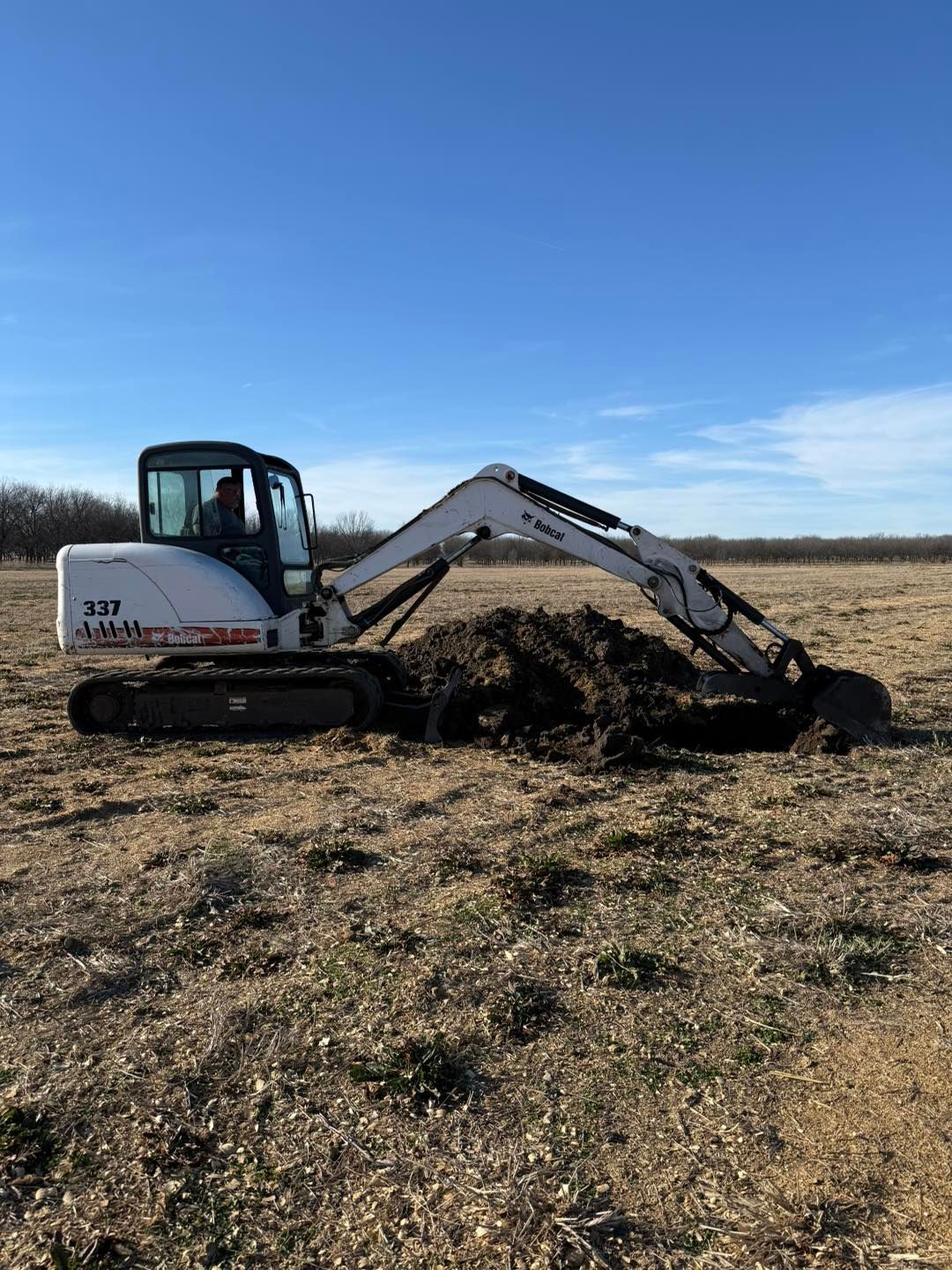
The work involves moving soil to create slopes that drain toward street gutters or designated runoff areas, compacting fill dirt so it doesn't settle unevenly under weight, and removing organic material that decomposes and leaves voids beneath hardscapes. Equipment selection depends on site access—skid steers handle tight residential lots, while larger excavators manage acreage clearing or deep grading.
Arrange an on-site evaluation to assess current drainage patterns and determine grading requirements for your property.
What Proper Grading Accomplishes for Your Property
Dirt work establishes the foundation for everything built on top of it, so shortcuts during site prep lead to problems that are expensive to fix later. Compaction happens in lifts—layers of soil compacted incrementally rather than dumping a pile and running equipment over the top once. This process prevents settling that causes driveways to crack or patios to slope incorrectly after construction finishes.
After grading completes, water flows away from your foundation during storms instead of pooling against basement walls or saturating crawl spaces. Driveways and walkways sit on stable base material that won't shift or sink, and yard areas drain evenly without standing water that kills grass or creates muddy zones.
Site preparation also includes removing tree roots and organic debris that decompose underground, which prevents voids from forming beneath concrete or pavers years later. The final grade matches the elevations needed for planned construction, so foundation crews or hardscape installers don't need to re-level before starting their work.
Questions About Site Grading and Preparation
Property owners often ask how grading affects drainage and what preparation work involves before construction begins. Here's what you need to know about the process.
What slope does proper grading require around a foundation?
Grading typically slopes at least six inches over the first ten feet away from the foundation, creating enough angle for water to drain without pooling. Steeper slopes work better in areas with heavy rain, while gentler grades suffice where soil drains quickly.
How does clay soil in Sand Springs affect grading and drainage?
Clay holds water longer than sandy soil, so drainage planning accounts for slower percolation rates and designs runoff paths that move water off the property rather than relying on absorption. Compaction also requires more passes with equipment because clay doesn't compact as predictably as granular fill.
Why does fill dirt need compaction in layers instead of all at once?
Compacting in lifts ensures even density throughout the fill, while dumping large amounts and compacting the surface only leaves loose soil underneath that settles unevenly. Each lift typically runs four to six inches thick before compaction.
When should dirt work happen relative to other construction phases?
Site grading comes before foundation work or hardscape installation, establishing drainage patterns and base elevations that other trades build from. Trying to grade after construction often means reworking areas that should have been set correctly from the start.
What equipment access does a grading project require?
Skid steers fit through standard gate openings for backyard work, but larger excavators need direct driveway or street access. Tight lots may require hand grading in areas where equipment can't maneuver, which affects project timelines.
TCW Roofing applies 30 years of local site experience to dirt work projects across Sand Springs, preparing properties that drain correctly and support long-term construction. Contact the team to review grading needs and drainage solutions for your site.