Debris Hauling That Maximizes Recycling
Junk Removal in Sand Springs for construction waste, appliances, and storm cleanup debris
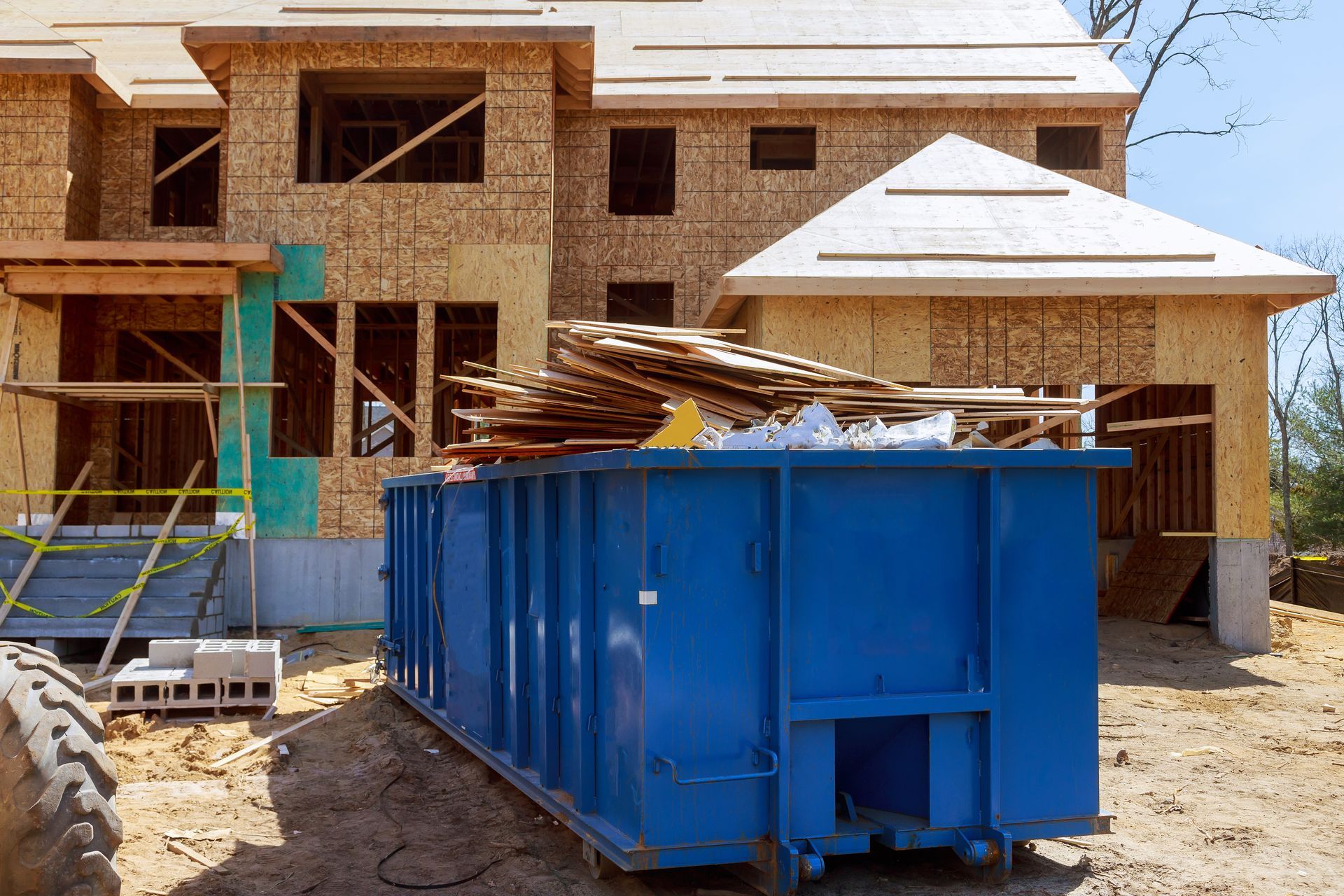
Storm cleanup and property maintenance across Oklahoma generate debris that requires sorting and proper disposal rather than sending everything to landfills. TCW Roofing provides junk removal across Sand Springs and the Tulsa metro, hauling construction waste, appliances, electronics, tires, and mattresses while sorting materials for recycling where possible. Licensed operations ensure waste disposal follows local regulations, and veteran discounts recognize service members managing property cleanup projects.
Removal service handles items that standard trash collection won't take—refrigerators and water heaters requiring refrigerant recovery, electronics containing components that need specialized recycling, tires that can't go in municipal waste streams, and mattresses that some facilities recycle for metal springs and foam padding. Material sorting happens during loading, separating metals, wood, and recyclables from true trash to reduce landfill volume and recover materials that have reuse value.
Schedule a debris assessment to review removal needs and determine what materials can be recycled from your cleanup project.
How Material Sorting Reduces Landfill Waste
Responsible junk removal means separating materials that have recycling value from waste that belongs in landfills, which requires knowing which facilities accept different items and how to prepare materials for processing. Metals get pulled from mixed debris and delivered to scrap yards that pay by weight, wood waste goes to facilities that grind it for mulch or composite materials, and appliances get routed through recyclers who recover refrigerants and separate steel components from plastic housings.
Once debris removal completes, your property shows clear space without piles of storm-damaged materials, old appliances cluttering garages or yards, or construction waste from renovation projects. Rooms empty of unwanted furniture or electronics become usable again, and driveways or storage areas clear out so vehicles and equipment have access without maneuvering around junk piles.
Environmental responsibility drives sorting decisions—electronics contain recoverable metals and components that shouldn't leach into groundwater from landfills, appliances hold refrigerants and oils requiring proper recovery, and tires create long-term waste problems if they're not processed through recycling channels. Licensed operations track disposal to ensure materials end up at appropriate facilities rather than illegal dump sites.
What Property Owners Ask About Debris Removal
Junk removal involves decisions about what can be recycled versus landfilled and how different materials get processed. These questions address common concerns about responsible debris handling.
What items require special handling during junk removal in Sand Springs?
Appliances with refrigerants need certified recovery before disposal, electronics require recycling to prevent toxic components from entering landfills, and tires must go through specialized processors rather than standard waste facilities. Mattresses and furniture containing metal frames can be partially recycled after separation.
How does material sorting during loading affect recycling rates?
Separating metals, wood, and recyclables as debris gets loaded prevents contamination that makes entire loads unrecyclable, allowing more material to be recovered and processed rather than landfilled. Mixed loads often end up in waste streams because sorting after collection isn't cost-effective.
Why can't regular trash collection handle construction debris or large appliances?
Municipal waste services limit item size and weight for safety reasons and because collection trucks aren't equipped to handle bulk materials. Appliances also require refrigerant recovery and processing that standard waste routes don't provide.
What happens to debris after it's removed from a property?
Materials get delivered to appropriate facilities—scrap yards for metals, recycling centers for electronics and appliances, tire processors for rubber, and landfills only for waste that can't be recycled or reused. Licensed haulers track disposal to ensure compliance with local regulations.
How does storm damage in Oklahoma affect junk removal timing and volume?
Severe weather generates sudden debris loads from downed trees, damaged structures, and ruined belongings, creating demand spikes that stretch hauling capacity. Scheduling removal promptly after storms prevents debris from sitting long enough to create pest problems or code violations.
TCW Roofing handles debris removal with environmental responsibility, sorting materials to maximize recycling and minimize landfill waste across every Sand Springs project. Contact us to coordinate junk removal and recycling for your property cleanup or renovation debris.