Selective Clearing That Preserves Property Value
Land Clearing in Sand Springs for construction sites requiring tree and stump removal
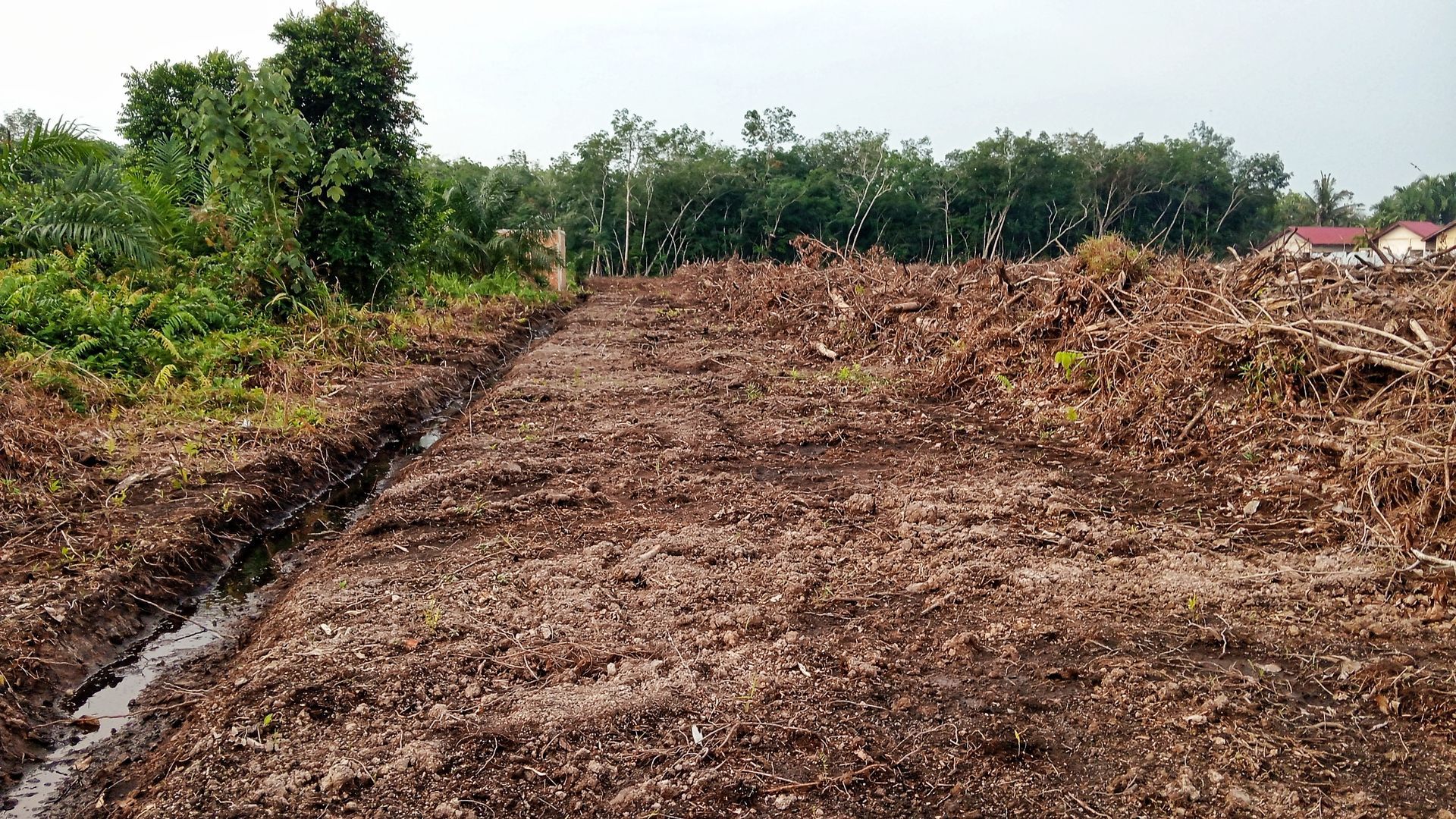
Oklahoma's dense vegetation and storm-damaged trees require specialized clearing equipment that removes growth without damaging the surrounding landscape. TCW Roofing provides land clearing across Sand Springs and the Tulsa metro, using excavators for complete tree and stump removal while preserving valuable mature trees that add property value. Selective clearing prepares construction sites by removing only what blocks building footprints or access routes, leaving established shade trees and landscaping intact where possible.
The process involves identifying which trees need removal based on construction plans, using excavators to pull stumps entirely rather than cutting at grade and leaving roots underground, and coordinating with stump grinding subcontractors for areas where excavation isn't feasible. Selective removal means you keep mature oaks or other desirable species that would take decades to replace, clearing only the vegetation that interferes with planned improvements.
Schedule a site assessment to identify clearing requirements and determine which trees can remain based on your construction plans.
Why Complete Stump Removal Matters for Development
Clearing land for construction means removing vegetation down to the roots, not just cutting trees at ground level and leaving stumps to rot underground. Excavators pull entire root systems when removing trees, eliminating underground obstructions that interfere with foundation digging, utility trenching, or drainage installation. Stumps left in place decompose over years, creating voids beneath driveways or settling zones under building pads that weren't apparent during initial grading.
After clearing completes, your site shows clean soil ready for grading or construction without hidden root masses that equipment operators discover midway through excavation. Building footprints sit on stable ground rather than over decaying organic material, and underground utilities run through cleared trenches without roots blocking the path or growing back into lines later.
Storm-damaged trees across Oklahoma often lean or show root damage that makes them hazards during future weather events, so clearing removes compromised growth before it falls on structures or blocks access during emergencies. Licensed operations ensure clearing work follows local regulations about protected species and setback requirements that affect what gets removed near property lines.
Common Questions About Property Clearing
Land clearing decisions affect both construction timelines and long-term property value. These questions address how selective removal works and what equipment handles different clearing needs.
What's the difference between selective clearing and clear-cutting a property?
Selective clearing removes only trees and vegetation blocking construction or creating safety hazards, preserving mature growth that provides shade and property value. Clear-cutting removes everything, which makes sense for full-site development but eliminates established landscaping that takes years to replace.
How does excavator removal compare to stump grinding for tree extraction?
Excavators pull the entire stump and root ball in one operation, leaving clean soil ready for grading or construction. Stump grinding removes the visible stump but leaves roots underground that decay slowly, which works for areas where digging isn't planned but not for building sites or utility corridors.
Why do some trees need removal even if they're not in the building footprint?
Storm-damaged trees with cracked trunks or exposed roots become falling hazards during Oklahoma's severe weather, especially near structures or access roads. Dead or diseased trees also drop branches unpredictably, creating liability issues during and after construction.
What happens to cleared vegetation and wood after removal?
Brush and smaller growth typically get chipped or hauled off-site for disposal, while larger logs can be cut for firewood or milled if the species and size make it worthwhile. Material handling depends on volume and what the property owner wants done with usable wood.
How far in advance should clearing happen before construction starts?
Clearing usually precedes construction by at least a few weeks, allowing time for site grading and utility installation after vegetation removal. Trying to clear and build simultaneously creates access conflicts when equipment can't maneuver around active construction zones.
TCW Roofing has 30 years of experience balancing development needs with preserving property value during land clearing projects. Set up a property visit to review clearing scope and identify which trees should stay based on your long-term site plans.